
Beyond Pink: Understanding Breast Cancer Risks and the Power of Early Detection
October is Breast Cancer Awareness Month. More than 22,000 women in Canada are diagnosed with breast cancer each year and over 5,000 die from the disease. While these numbers are sobering, breast cancer survival rates continue to improve thanks to better screening and treatment. Awareness campaigns provide an opportunity to reflect on our own risk factors and to support those affected.
The facts
Breast cancer affects one in nine Canadian women during their lifetime. Risk increases with age; statistics show the rate is highest among women over 50. Non modifiable risks include family history of breast or ovarian cancer, hormonal and menstrual history (early first period or late menopause) and naturally dense breast tissue. There are also modifiable factors. The Government of Canada’s brochure explains that weight gain after age 18 raises risk by 45 % when weight increases by 25 kg or more. Regular physical activity reduces risk by 25–30 %, while alcohol consumption increases risk by more than 20 %. Smoking and exposure to environmental pollutants may also elevate risk.
Breastfeeding offers protective benefits. Having more children and breastfeeding for longer periods modestly reduces breast cancer risk, a reminder that choices earlier in life can influence later outcomes. Nevertheless, no lifestyle change eliminates risk entirely. That’s why routine screening matters. Health Canada recommends women aged 50–69 have a mammogram every two years. Women with dense breast tissue or strong family history may need additional imaging and should discuss options with their health care provider.
Awareness into action
Understanding risk factors empowers us to take proactive steps. Maintaining a healthy body weight, exercising regularly and limiting alcohol consumption are evidence backed ways to lower risk. Quitting smoking, eating a balanced diet rich in fruits, vegetables and whole grains, and minimising exposure to endocrine disrupting chemicals can also help. Women who are pregnant or planning a family can consider that each month of breastfeeding slightly reduces long term risk. Most importantly, talk to your doctor about personalised screening. Ask when you should start mammography, whether ultrasound or MRI is appropriate and how often you should be screened.
Breast Cancer Awareness Month is more than pink ribbons; it’s a call to knowledge and action. By understanding our personal risk factors and embracing healthy habits, we can reduce the impact of breast cancer in our families and communities. Encourage friends and loved ones to book regular mammograms, support research and patient organisations, and reach out to those navigating a diagnosis. Together we can move beyond awareness to early detection and better outcomes.
Resources
- Share

Magazica Editorial Team
Magazica is a dedicated platform for businesses, subject matter experts, health advocates, and various sectors within the health industry. At Magazica, we are committed to sharing the latest health information and developments with our audience. We serve as a gateway for health-related businesses to showcase their progress and advancements, demonstrating how they contribute to enhancing people's wellness.

Health Awareness of the Month: June 14 – World Blood Donor Day
Just picture this: It's a hectic day at a Toronto trauma centre, and a patient comes in after sustaining severe injuries...

From Oxford to Canada: Dr. Tim Stockwell on Alcohol, Society, and What We Get Wrong
Dr. Tim Stockwell has spent his career chasing one question that shapes millions of lives: How does alcohol truly affect us?...

Parkinson’s Awareness: Separating Fact from Fiction
Sitting at breakfast, I noticed my husband's hands were shaking. It was the first sign that Parkinson's had...

Inside Canada’s Clinic Crunch: Why Accessing Primary Care Is Still Hard
Canadian health care is built around publicly funded physician services, yet millions of people struggle...

Canada’s Hospitals at a Crossroads: Excellence, Expectations and Extended Waits
Canada boasts some of the world’s most respected hospitals, yet patients’ experiences do not always...
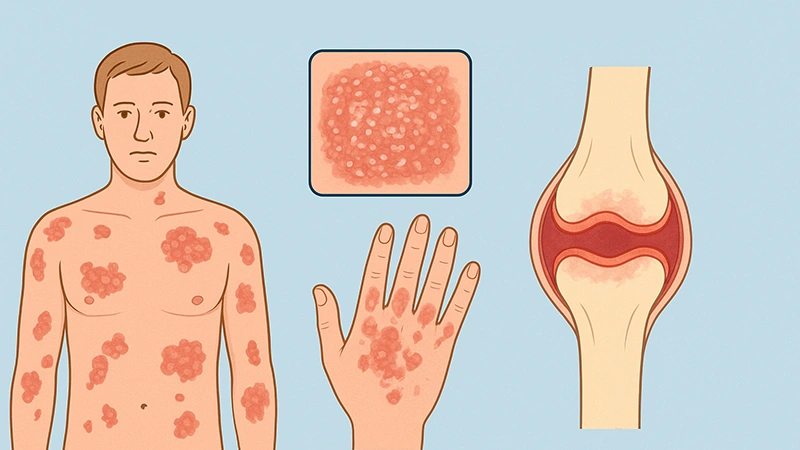
Understanding Psoriatic Disease
World Psoriasis Day on October 29 raises awareness about psoriasis and...