
How Canada’s Health System Frames War-Affected Children: Understanding Complex Trauma in Young Newcomers
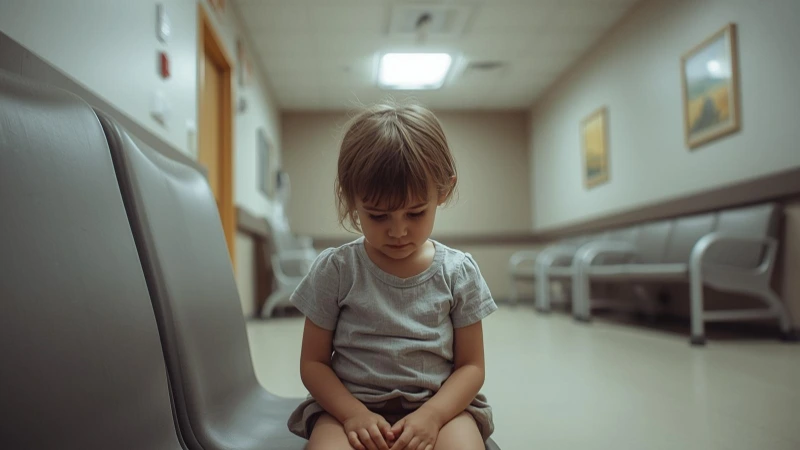
A child sits quietly in a clinic waiting room in Canada. The child arrived only a few months ago, having fled a war-torn region with family members.
At school, teachers notice that the child rarely speaks and seems easily startled by loud sounds. At night, sleep is often broken by nightmares. The child sometimes complains of stomach pain, but medical tests show nothing is physically wrong.
To doctors who work with refugee families, these signs are sadly familiar. They are reminders that the effects of war do not end when a child reaches safety.
Across Canada, pediatricians and mental-health professionals are learning that the impact of war on children is often deeper and more complex than once believed. Instead of treating war trauma only as Post-Traumatic Stress Disorder (PTSD), Canadian health experts now describe it as complex developmental trauma. This approach acknowledges that war can impact multiple aspects of a child’s life simultaneously, including physical health, emotional well-being, relationships, and learning.
Organizations such as the Canadian Pediatric Society and the Centre for Addiction and Mental Health encourage doctors, educators, and communities to work together when caring for children who have experienced armed conflict.
A Broader Understanding of War Trauma.
For many years, PTSD was the main diagnosis used to describe the psychological effects of war. Children with PTSD may experience nightmares, flashbacks, fear, or difficulty feeling safe.
However, Canadian pediatric experts say this diagnosis does not always capture the full experience of children who have grown up around violence or displacement.
According to the Canadian Pediatric Society, children affected by war often face several challenges at the same time. These may include emotional distress, learning difficulties, physical health concerns, and problems building trusting relationships.
War can interrupt the everyday experiences that support healthy childhood development. Many young people lose stable homes, regular schooling, and safe communities. Some may have been forced to move many times or spend long periods in refugee camps.
Because these experiences affect development in many ways, Canadian clinicians increasingly describe them as complex developmental trauma rather than a single mental-health disorder.
Looking at the Whole Child.
Canada’s health system often takes a whole-child approach when assessing refugee and newcomer children.
Instead of focusing on one symptom, doctors try to understand a child’s full situation. This includes physical health, emotional well-being, family circumstances, and educational needs.
Many children arriving from conflict zones have faced disruptions in medical care. They may have missed vaccinations or suffered from malnutrition. Others may have lived with chronic stress for long periods of time.
For example, a child who complains frequently of stomach pain may actually be showing signs of emotional stress. Sleep problems, headaches, and trouble concentrating in school can also be connected to traumatic experiences.
By examining the full picture, doctors can provide care that addresses both physical and emotional needs.
Why Development Matters.
Childhood is a time when the brain grows and changes quickly. During these years, children develop language, social skills, emotional control, and the ability to learn.
When a child lives in a constant state of fear or uncertainty, these developmental processes can be disrupted.
Research published in Pediatrics & Child Health shows that refugee children may experience delays in language development, problems concentrating in school, or difficulty managing strong emotions. These responses are natural reactions to extreme stress during critical periods of growth.
Early Screening and Assessment.
War trauma does not always appear immediately. Some children may seem calm at first, but develop symptoms later as they begin adjusting to their new environment.
For this reason, Canadian health professionals often screen newcomer children for a wide range of concerns.
Doctors may look for:
• anxiety or emotional distress
• sleep disturbances or nightmares
• learning difficulties
• developmental delays
• nutritional problems
These screenings help identify children who may need extra support. They also allow families to access mental-health services, educational resources, and community programs.
Early support can make a significant difference in a child’s recovery.
Trauma-Informed Care.
Another key element of Canada’s approach is trauma-informed care.
Trauma-informed care recognizes that children who have lived through war or displacement may feel unsafe or overwhelmed in unfamiliar settings. Health professionals, therefore, work to create environments that feel predictable and respectful.
This approach often includes:
• building trust with the child and family
• providing calm and structured clinical settings
• allowing children to express themselves through play or art
• using interpreters when language barriers exist
The goal is to help children regain a sense of safety and control in their lives.
The Canadian Pediatric Society recommends trauma-informed approaches when caring for children who have experienced armed conflict.
Supporting the Whole Family.
War trauma rarely affects only one person. Parents and caregivers may also struggle with grief, stress, or anxiety after fleeing conflict.
When adults face these challenges, children feel the impact.
For this reason, many Canadian programs focus on family-centred care. Mental-health support may be offered to parents as well as children. Social workers help families connect with housing services, employment programs, or language training.
Helping families rebuild stability can strengthen children’s emotional recovery.
The Role of Schools and Communities.
Schools and community organizations play a major role in helping war-affected children adapt to life in Canada.
Settlement agencies provide many services designed to support newcomer families. These programs may include counselling, language training, tutoring, and recreational activities that help children build friendships.
Programs funded by Immigration, Refugees and Citizenship Canada support settlement and integration services for refugee families across the country.
Schools also provide structure and routine, which can help children regain a sense of normal life. Teachers who understand trauma can help students feel safe while encouraging learning and social connections.
Friendships and supportive relationships often become powerful sources of resilience.
Resilience and Recovery.
Although the effects of war trauma can be serious, many children show remarkable resilience.
Research suggests that supportive relationships, stable housing, and access to education can help young people recover from traumatic experiences. Over time, children who feel safe and supported can regain confidence and emotional strength.
Canadian health experts emphasize that recovery is possible when children have access to strong family support and welcoming communities.
A Shared Responsibility.
Canada’s approach to caring for war-affected children reflects a broader belief that protecting children’s well-being is a shared responsibility.
Doctors, educators, community organizations, and government programs all play important roles in helping young newcomers rebuild their lives.
By recognizing war trauma as complex developmental trauma, Canada’s health system encourages cooperation across these systems.
For children who have experienced conflict, the journey toward healing may take time. But with the right care and support, many can grow beyond the hardships of their past and build healthy, hopeful futures in their new home.
Sources.
- Share

Magazica Editorial Team
Magazica is a dedicated platform for businesses, subject matter experts, health advocates, and various sectors within the health industry. At Magazica, we are committed to sharing the latest health information and developments with our audience. We serve as a gateway for health-related businesses to showcase their progress and advancements, demonstrating how they contribute to enhancing people's wellness.
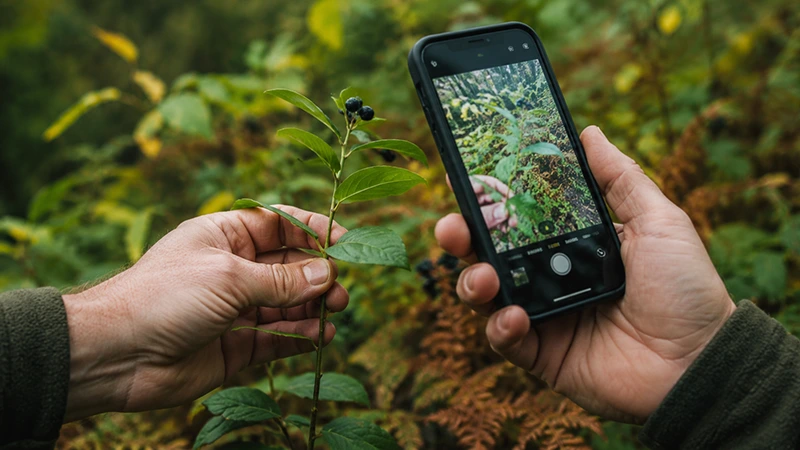
Nature’s Unlabelled Aisle: What Late-Summer Foraging Asks of You Before You Eat Anything
Late-summer foraging explained: why there is no shortcut test, what apps get wrong, how the knowledge is really learned...
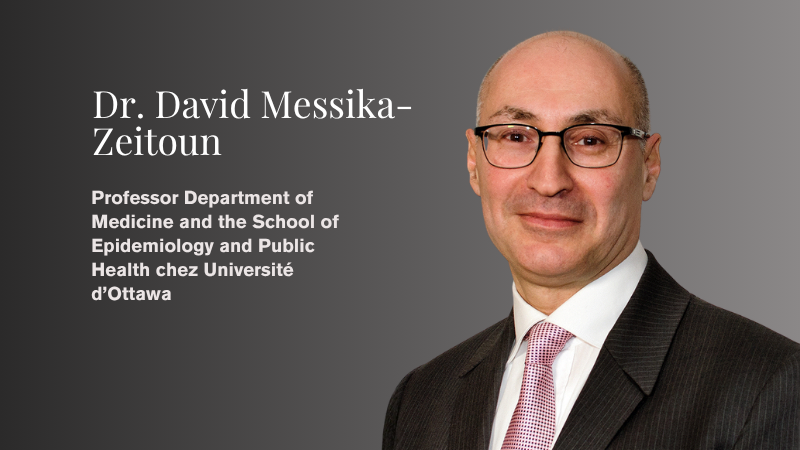
Saving Lives Before Symptoms Strike: How Dr. David Messika‑Zeitoun Is Transforming Heart Valve Care in Canada
Dr. David Messika-Zeitoun is a global leader in valvular heart disease, combining scientific precision with deeply...
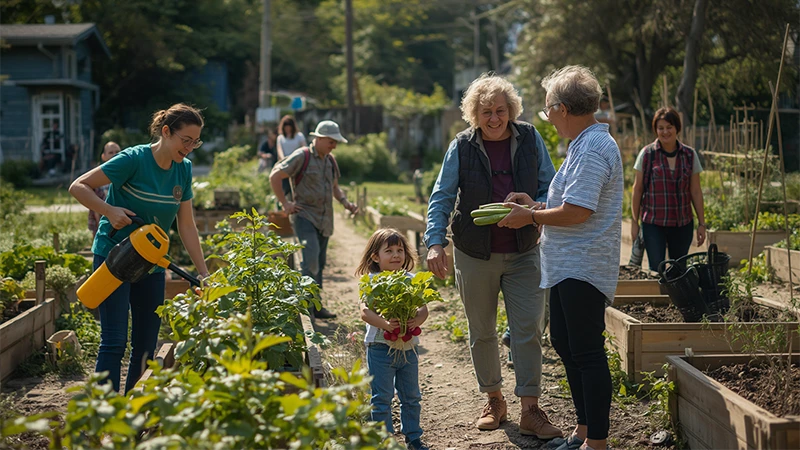
Community Gardens: Cultivating Food and Neighbourhood Bonds
On a sunny Saturday morning in many Canadian neighbourhoods, a community garden is one of the liveliest places...

Indigenous Canoe Journeys: Healing Through Water and Tradition
Think of a river upon which no cedar canoe had set foot for more than a hundred years. Not due to any changes in the...
Living Fully, Caring Deeply: Kirsten Woodend on Nursing, Loss, Resilience, and the Power of Human Connection
Some people spend a lifetime mastering a craft. Others spend a lifetime mastering what it means to be human...
Breaking the Stigma: Community Initiatives for Youth Mental Health in Canada
There is a quiet crisis unfolding in communities across Canada — one that doesn't always make the front page but...