
Wellness Boom; Navigating wellness trends
The global wellness market has become a $2 trillion juggernaut in recent years, and 2025 looks like the moment when it truly goes mainstream. Younger generations are driving the boom—wellness is no longer an occasional indulgence but a daily practice and personal identity. Surveys show that more than 80 percent of Gen Z and millennials in the United States consider wellness important and are willing to invest in it. Even economic uncertainty hasn’t dampened enthusiasm; the wellness market has continued to grow despite inflation and recession worries. Consumers are spending on mental health apps, healthier foods, in‑person spa services and high‑performance supplements, signalling that well‑being is a priority even when budgets tighten.
Shifting Frontiers of Wellness
One of the most striking trends is the shift toward analog wellness. The Global Wellness Summit named analog wellness its top trend for 2025, noting that people are hungry for offline experiences after years of digital saturation. Rather than more screen‑based mindfulness apps, consumers are turning to pre‑digital hobbies—crafts, nature walks, yoga in community parks—that provide quiet and connection. This hunger for balance also shapes the supplement market. The Vitamin Shoppe’s 2025 report found that 69 percent of Americans take dietary supplements and more than half are willing to try new wellness trends. Protein powders and pills are being replaced by functional foods and ready‑to‑drink beverages, with sales of protein bars up by 28 percent while powder sales have fallen by 12 percent. New ingredients such as NAD+ boosters and adaptogens like shilajit are capturing attention because they promise cellular repair, longevity and stress reduction.
Weight‑loss medications are another headline trend. The World Health Organization’s first global guidelines on GLP‑1 medicines such as semaglutide were released in late 2025. These drugs, originally for diabetes, are now part of comprehensive obesity treatment plans that include diet, exercise and behavioural support. With more than one billion people living with obesity and 3.7 million deaths attributed to it in 2024, the potential impact is enormous. Experts caution, however, that medications alone cannot solve a global obesity crisis; equitable access and long‑term lifestyle changes remain critical.
Mind and Machine: AI, Micro‑Trends and Ethical Guardrails
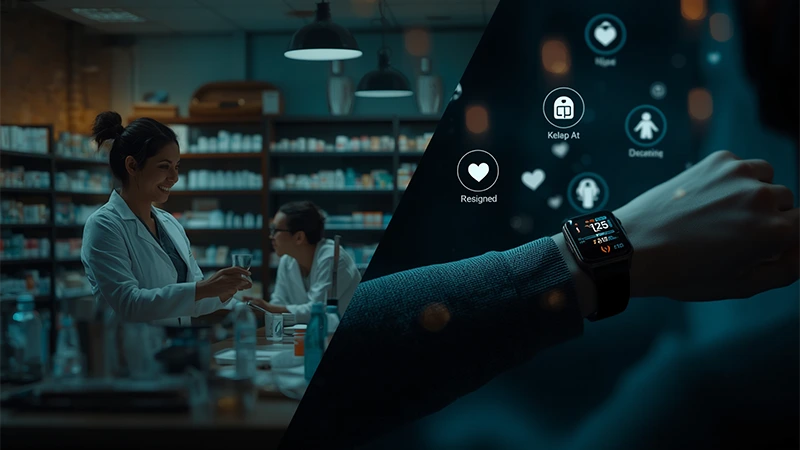
Digital tools continue to reshape wellness. The Global Wellness Institute’s micro‑trends report highlights the rise of AI‑driven mental health support, including chatbots that provide 24/7 counselling. AI also underpins new diagnostic tools that can analyse speech patterns to screen for Alzheimer’s disease or improve cancer detection by enhancing mammography. These advances promise earlier intervention and personalised care, but they raise pressing questions about privacy, equity and the risk of algorithmic bias. Ensuring ethical guardrails is essential as AI becomes more deeply integrated into health care.
Younger consumers are open to technology: survey data show that 35 percent have already used AI to research medical topics or plan meals, and another 27 percent are interested in doing so. Yet the analog wellness movement reveals a countertrend: people want to unplug even as they adopt smart devices. The challenge for the wellness industry will be to balance digital convenience with authentic, unplugged experiences that foster human connection.
What This Means for Everyday People
For many, the wellness boom is both an opportunity and a source of confusion. On one hand, there are more tools than ever to support health—apps, supplements, wearable devices and guided meditation programmes. On the other, information overload can lead to “wellness fatigue.” Experts advise focusing on fundamentals: quality sleep, nutritious whole foods, regular movement and meaningful social connections. Trendy adaptogens, peptides or AI chatbots may provide incremental benefits, but they cannot replace the basics of a healthy lifestyle. As weight‑loss medications become more common, patients should seek medical guidance and recognise that these drugs are part of a broader strategy rather than quick fixes.
The coming years may see a reinvention of the wellness landscape. Consumers will continue to demand transparency from companies about sourcing and sustainability, and they’ll expect their digital health tools to protect their data. The most lasting wellness trends will be those that empower people to make informed choices, support social connection and honour both digital innovation and the human need for unplugged rest.
Sources & Further Reading
- Share

Magazica Editorial Team
Magazica is a dedicated platform for businesses, subject matter experts, health advocates, and various sectors within the health industry. At Magazica, we are committed to sharing the latest health information and developments with our audience. We serve as a gateway for health-related businesses to showcase their progress and advancements, demonstrating how they contribute to enhancing people's wellness.
The 24/7 of You: Why it is the Ultimate Season for a Self-Care Overhaul
Let’s say today the Canadian summer is at its peak, and you are probably trying to make the most of your time by...

Beyond the Blues: Seasonal Affective Disorder and Winter Well Being
For many Canadians, winter’s shorter days bring more than cold hands and icy streets. Feelings of sadness, fatigue and...

When Temperatures Plunge: Understanding Cold Weather Risks and Staying Safe
Canada is famous for its winters, but plummeting temperatures bring real health risks. The federal...

Feeding the Winter Body: Vitamin D, Nutrition and Staying Well
Sunlight triggers the production of vitamin D, a hormone vital for bone, muscle, immune and mood health...

Rest Revolution: Prioritising Sleep and Recovery for Wellness
In a society that glorifies hustle, rest is emerging as a radical act of self care...

Mental Health at Work: Building a Healthy Workplace and Embracing Digital Wellness
October is Canada’s Healthy Workplace Month. The Department of National...