
Community Gardens: Cultivating Food and Neighbourhood Bonds
A Garden That Brings People Together
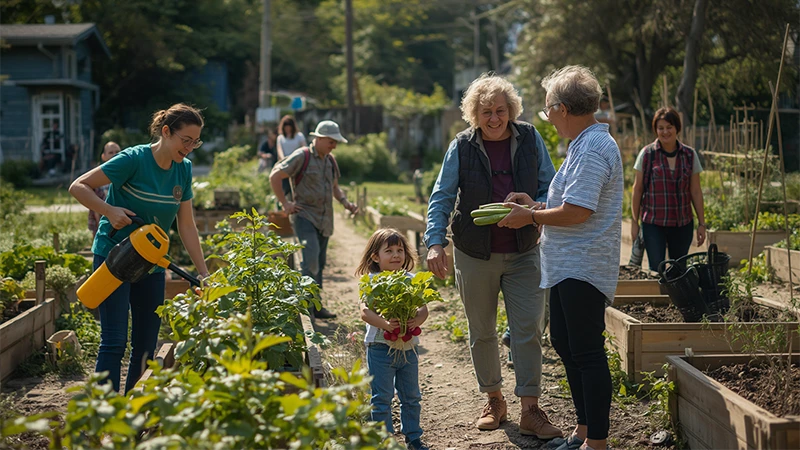
On a sunny Saturday morning in many Canadian neighbourhoods, a community garden is one of the liveliest places to be. Someone is watering tomatoes before the heat of the day sets in. A child is proudly carrying a fistful of radishes. A newcomer is asking a neighbour how to grow herbs that remind them of home. Nearby, a longtime resident is sharing extra zucchini with anyone who will take it. At first glance, these gardens may look like simple patches of soil. In reality, they are small but powerful places where food, friendship, and community pride grow side by side.
Fresh Food in a Tough Economy
Across Canada, community gardens have become an important part of local life. In cities, suburbs, small towns, and northern communities, residents are looking for ways to reconnect with food and with one another. The reasons are easy to understand. Grocery bills have risen sharply in recent years, and many families are thinking more carefully about what they buy, waste, and grow. Statistics Canada reported that 18 percent of Canadian families experienced food insecurity in 2022, up from 16 percent the year before. Community gardens cannot solve food insecurity on their own, but they can help people gain access to fresh produce, learn practical skills, and feel less alone in facing everyday challenges.
In my own city, Ottawa, the value of community gardening is easy to see. The City of Ottawa describes community gardens and greening initiatives as shared spaces where people work together to grow food, care for green spaces, and build community connections. The city also notes that these projects support food security, civic participation, neighbourhood revitalization, environmental awareness, climate resilience, and mental and physical well-being. Ottawa now has more than 140 community gardens — a sign of just how much residents value these green gathering places.
What makes a community garden special is that it is not only about what comes out of the soil. Yes, the harvest matters. A basket of lettuce, beans, kale, or carrots can make a real difference at the dinner table. Some gardens also follow “Plant-a-Row” or “Share-a-Row” models, encouraging gardeners to donate extra produce to neighbours, community fridges, shelters, or food banks. But the deeper harvest is often social. Gardens create low-pressure spaces where people who might otherwise pass each other without speaking can meet, swap advice, share seeds, and celebrate small successes.
That neighbourly spirit is especially important in a country as diverse as Canada. Community gardens can become places of cultural exchange, where food traditions are welcomed and preserved. A plot might hold Italian basil, Caribbean callaloo, South Asian coriander, Indigenous medicines, or vegetables familiar to families who have recently arrived from another part of the world. In this way, gardens help people feel rooted in a new neighbourhood while also sharing pieces of their heritage. Canadian researchers have also been exploring how community gardens can support immigrant communities by connecting culturally familiar foods, intergenerational knowledge, mental health, and food security.
The benefits extend well beyond individual households. Community gardens help turn underused land into welcoming public space. A vacant lot, a corner of a schoolyard, a strip beside a community centre, or land near a place of worship can become a living classroom and a neighbourhood meeting spot. Children learn where food comes from by planting peas and watching them climb. Seniors pass along knowledge about composting, saving seeds, and reading the weather. Volunteers learn how to organize workdays, apply for grants, and make collective decisions. These are practical skills, but they are also civic skills.
Small Spaces, Big Environmental Benefits
There is also an environmental story growing in these spaces. Many Canadian gardens now include pollinator plants, rain barrels, compost bins, native species, and small habitat areas for bees, butterflies, and birds. In a changing climate, these details matter. Gardens can help absorb rainwater, reduce heat in paved neighbourhoods, improve soil health, and support local biodiversity. They also remind us that climate action does not always begin with a large project or a technical solution. Sometimes it begins with a group of neighbours deciding to plant milkweed, collect kitchen scraps, or keep a patch of soil healthy for the next season.
Of course, community gardens need support to thrive. Access to land is often the first challenge, especially in growing cities where space is expensive and development pressure is high. Gardeners also need water, tools, storage, soil testing, accessibility features, insurance guidance, and clear rules for shared use. Municipal governments, school boards, non-profit organizations, housing providers, and faith communities all have a role to play. The federal government has also recognized the importance of local food infrastructure, including community gardens, greenhouses, irrigation systems, and food forests, through programs that aim to strengthen community food security across the country.
Still, it is important to be realistic. A garden plot will not replace strong income supports, affordable housing, fair food pricing, or reliable public services. Food insecurity is a complex issue, and it is closely tied to poverty and inequality. But community gardens offer something that larger systems often struggle to provide: a sense of agency. When people plant, tend, harvest, and share food together, they experience a measure of control and dignity. They are not just consumers at the end of a long supply chain. They are growers, teachers, learners, and neighbours.
For many Canadians, the appeal is also beautifully simple. Gardening slows us down. It gives us a reason to step outside, notice the season, and talk to people we might not otherwise meet. It offers the satisfaction of seeing effort turn into something edible. It teaches patience when seeds take longer than expected, generosity when the beans come in all at once, and resilience when pests or weather interfere with the plan.
Cultivating the Future
As communities across Canada look for ways to become healthier, greener, and more connected, community gardens deserve a place near the centre of the conversation. They are modest in scale but rich in impact. They feed people, brighten streets, support biodiversity, and create spaces where neighbours become familiar faces. In a time when many people feel stretched by costs, schedules, and social isolation, a community garden offers a hopeful reminder: when we cultivate the soil together, we also cultivate trust, belonging, and care.
Short Source List
1. Statistics Canada — Food insecurity among Canadian families, 2022
https://www150.statcan.gc.ca/n1/daily-quotidien/231114/dq231114b-eng.htm
2. City of Ottawa — Community gardens and greening initiatives
https://ottawa.ca/en/living-ottawa/environment-conservation-and-climate/public-spaces-and-environmental-programs/community-gardens-and-greening-initiatives/about-community-gardens-and-greening-initiatives
3. Agriculture and Agri-Food Canada — Local Food Infrastructure Fund
https://agriculture.canada.ca/en/programs/local-food-infrastructure-fund
4. Just Food Ottawa — Community Gardening Network
https://justfood.ca/community-gardening-network/
- Share

Magazica Editorial Team
Magazica is a dedicated platform for businesses, subject matter experts, health advocates, and various sectors within the health industry. At Magazica, we are committed to sharing the latest health information and developments with our audience. We serve as a gateway for health-related businesses to showcase their progress and advancements, demonstrating how they contribute to enhancing people's wellness.

Elderly Care with Empathy: Dr. Anthony Di Cintio on Bringing Back Medical House Calls
An eighty-eight-year-old man stands in his living room. Tired, near the end of his life. He asks his wife for one....
Nature’s Unlabelled Aisle: What Late-Summer Foraging Asks of You Before You Eat Anything
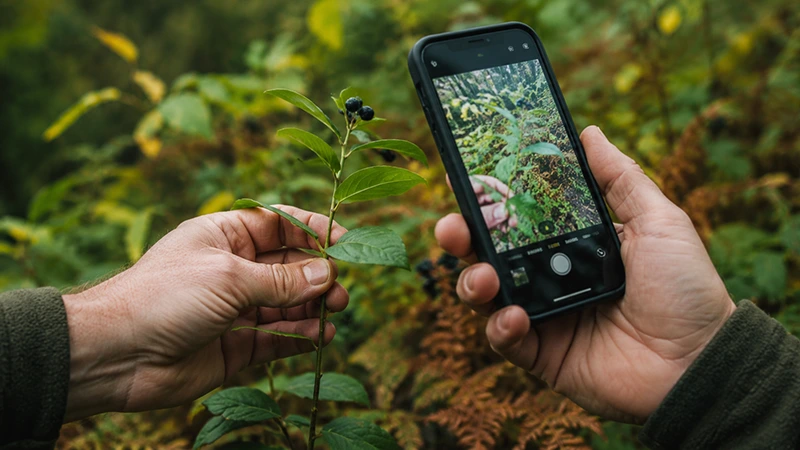
Late-summer foraging explained: why there is no shortcut test, what apps get wrong, how the knowledge is really learned...

Saving Lives Before Symptoms Strike: How Dr. David Messika‑Zeitoun Is Transforming Heart Valve Care in Canada
Dr. David Messika-Zeitoun is a global leader in valvular heart disease, combining scientific precision with deeply...

Indigenous Canoe Journeys: Healing Through Water and Tradition
Think of a river upon which no cedar canoe had set foot for more than a hundred years. Not due to any changes in the...

Living Fully, Caring Deeply: Kirsten Woodend on Nursing, Loss, Resilience, and the Power of Human Connection
Some people spend a lifetime mastering a craft. Others spend a lifetime mastering what it means to be human...

Breaking the Stigma: Community Initiatives for Youth Mental Health in Canada
There is a quiet crisis unfolding in communities across Canada — one that doesn't always make the front page but...