
Eyes in the Digital Age: How the 20-20-20 Rule Can Ease Strain and Headaches
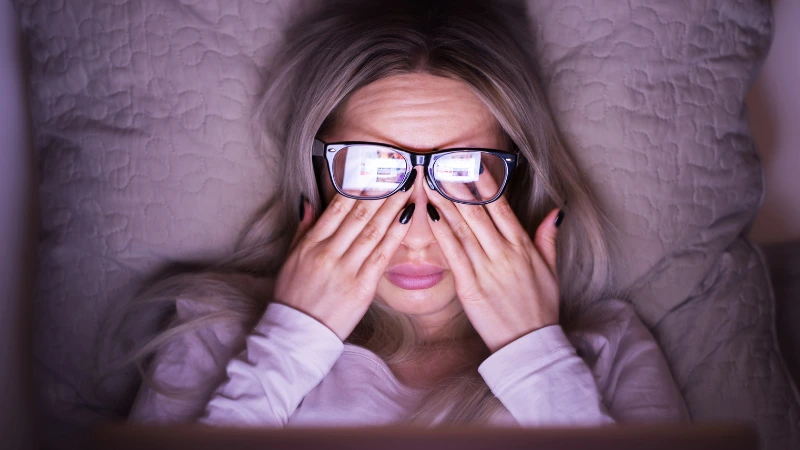
Staring at screens is a defining feature of modern life. Whether working from home or scrolling through social media, many of us spend hours focusing on digital displays. This constant near-focus can leave the eyes feeling irritated and tired and may trigger headaches. Eye-care professionals call this condition digital eye strain or computer vision syndrome—a constellation of symptoms that includes blurry vision, dry eyes and tension headaches. With an estimated two thirds of screen users experiencing some form of discomfort, looking after our eyes has never been more important.
Understanding digital eye strain.
Digital screens differ from printed text. Characters are created by tiny pixels with reduced contrast and subtle flickers, requiring more effort to focus. Extended screen time also reduces our blink rate. We typically blink about 15 times per minute, but studies show that blink frequency drops to 5 to 7 times per minute when using a computer. This leads to dry eyes and temporarily blurry vision. Eye strain may be accompanied by headaches and neck or shoulder pain due to poor posture.
How the 20-20-20 rule works.
To reduce discomfort, the American Optometric Association (AOA) recommends the 20-20-20 rule: take a 20-second break every 20 minutes and look at something at least 20 feet away. Their Eye Health Guidance for Screen Time also advises a longer 15-minute break after every two hours of continuous screen use. The rationale is simple: shifting focus relaxes the ciliary muscles responsible for near vision, while frequent blinking re-lubricates the ocular surface.
The American Academy of Ophthalmology (AAO) echoes these recommendations. In its tips for reducing digital eye discomfort, the AAO suggests looking up from the screen and focusing on distant objects, a habit that helps relieve strain. According to the AAO, the rule alleviates temporary eye discomfort without causing harm; digital devices themselves do not permanently damage the eyes.
The Mayo Clinic reinforces this advice in a brief video script. Optometrist Dr. Muriel Schornack notes that prolonged screen use lowers the blink rate, leading to a dry, unstable tear film. She recommends practising the 20-20-20 rule and adds a twist: during the 20-second break, consciously blink about 20 times to spread tears evenly.
Research into the rule’s effectiveness is emerging. A 2020 educational intervention found that teaching patients with computer vision syndrome to follow the 20-20-20 rule significantly improved dry eye symptoms and tear film stability. A 2023 survey published in the Indian Journal of Ophthalmology observed that only about one-third of participants practise the rule regularly and that its evidence base is still limited. Nonetheless, many eye-care professionals endorse the technique because it encourages regular micro-breaks and eye lubrication.
Putting the rule into practice.
Implementing the 20-20-20 rule is straightforward. Set an alarm or use a reminder app to prompt breaks every 20 minutes. During each break, focus on an object 20 feet away for 20 seconds—this could be a distant tree outside a window or even closing your eyes and imagining a distant horizon. Blink deliberately to refresh the tear film and use artificial tears if eyes feel dry. It’s fine if the object isn’t exactly 20 feet away; the goal is to relax your near-focus muscles.
In addition to the 20-20-20 routine, professionals suggest a few other strategies:
Can the rule prevent headaches?.
Headaches linked to digital eye strain often arise from prolonged accommodation (focusing up close) and poor posture. By forcing you to break your near focus and relax the eye muscles, the 20-20-20 rule may reduce the frequency of these headaches. Studies show that individuals who consistently refocus on distant objects and take breaks experience milder computer vision syndrome symptoms. Although more research is needed, many optometrists observe that regular breaks help prevent tension headaches and eye discomfort.
A balanced perspective.
The 20-20-20 rule is not a cure-all, but it’s a simple, low-cost tool that encourages healthy screen habits. Evidence for its effectiveness is growing, though not yet definitive. When combined with ergonomic adjustments and mindful screen use, this routine can alleviate eye dryness, blurred vision and headaches. As digital devices continue to dominate our work and leisure, regular eye breaks offer a small but meaningful way to support visual and overall well-being.
Suggested Sources for Further Reading.
- Share

Magazica Editorial Team
Magazica is a dedicated platform for businesses, subject matter experts, health advocates, and various sectors within the health industry. At Magazica, we are committed to sharing the latest health information and developments with our audience. We serve as a gateway for health-related businesses to showcase their progress and advancements, demonstrating how they contribute to enhancing people's wellness.

Menopause and Your Heart: What Changes, What Matters, and What to Ask Your Doctor
Heart disease has a reputation problem in Canada: too many people still picture it as a man’s disease. But it remains...

Splash Safely: Why Your Skin and Ears Might Throw a Summer Tantrum
Think about the ideal day out by the lake. The cooler is packed, you've found the perfect spot to lie on the beach, and now...

Men’s Health Checklist: Screenings You Shouldn’t Ignore This Year
For decades, Canadian men have embraced a "if it isn't broken, don't fix it" approach to health. “As a man, I can...
Come Together: Canadian Mental Health Week, May 4–10
Every May, something important happens across Canada. In schools, workplaces, community centres, and...

Land as Medicine: How Reconnecting with Traditional Territories Heals Indigenous Youth
For countless generations, Indigenous Peoples have understood what Western science is only beginning to confirm...

The Canine Cleanup Crew: How Dogs’ Outdoor Adventures May Shape Our Microbiome and Immune System
When your dog charges back into the house after chasing squirrels or splashing through puddles, it picks up soil- and...