
Honouring Indigenous Disability Awareness Month
Established in 2015, Indigenous Disability Awareness Month (IDAM) celebrates the contributions of Indigenous Peoples with disabilities and aims to address inequities they face. Federal Minister Kamal Khera notes that the month highlights the need for inclusive programs and accessible communities that respect equality rights. IDAM recognizes that disability intersects with colonization, poverty, discrimination and cultural strength. November provides a space to honour resilience and advocate for systemic change.
Disability prevalence is higher among Indigenous Peoples than among non Indigenous Canadians. An analysis by Indigenous Watchdog reports that 32 % of First Nations people living off reserve, 30 % of Métis and 19 % of Inuit aged 15 + had disabilities that limited daily activities. These rates exceed those of the non Indigenous population and reflect a combination of factors: higher rates of chronic diseases, limited access to health services, intergenerational trauma and environmental conditions such as inadequate housing. Pain related disabilities are the most common, and disability prevalence is higher among women than men.
Socio economic factors further influence health outcomes. Remote communities often lack accessible transportation, assistive technologies and culturally safe healthcare. Many Indigenous People with disabilities face barriers to employment and education. In response, the Government of Canada is working with partners to create inclusive workplaces and remove accessibility barriers. Programs like the Accessibility Strategy for the Public Service of Canada and the Indigenous Community Support Fund aim to improve accessibility, support caregiving and enhance infrastructure.
Cultural perspectives on disability differ among nations. Some communities view disability as part of a person’s holistic identity rather than a deficit. Traditional healing practices and ceremonies emphasize community connection, spirituality and balance. CHFA’s trend on Collective Wisdom speaks to the resurgence of traditional healing and intergenerational knowledge sharing. Elders often provide guidance on adapting daily activities and managing chronic conditions using herbal medicines, storytelling and land based activities.
Creating inclusive environments requires listening to those with lived experience. Nothing about us without us—Indigenous persons with disabilities must be involved in planning programs and policies. Accessible housing initiatives should incorporate universal design and respect cultural practices (for example, accommodating large family gatherings and space for spiritual items). Education systems must provide appropriate accommodations, such as interpreters for deaf students or assistive devices. Health services should be trauma informed and culturally safe, with Indigenous health workers and patient navigators bridging gaps.
The movement for diversity, equity and inclusion (DEI) in the wellness industry, highlighted by CHFA, reinforces the importance of representation and accessibilitychfa.ca. Products and services—from fitness classes to mental health apps—should consider Indigenous languages, accessible design and cultural relevance. Land based wellness programs (like paddle making workshops or medicine walks) support both physical rehabilitation and cultural connection. Rewilding, another wellness trend, encourages time in nature; for many Indigenous Peoples, connection to land is foundational to healing.
Closing note
Indigenous Disability Awareness Month is a reminder to celebrate the strengths of Indigenous Peoples with disabilities and to acknowledge ongoing inequities. Individuals can support by listening to Indigenous voices, advocating for accessible services and challenging stereotypes. Organizations can partner with Indigenous communities to develop culturally safe programs, ensure physical and digital accessibility, and promote Indigenous leadership. As we honour resilience and creativity, we move towards a more inclusive Canada where all people—regardless of ability—can thrive.
References
- Share

Magazica Editorial Team
Magazica is a dedicated platform for businesses, subject matter experts, health advocates, and various sectors within the health industry. At Magazica, we are committed to sharing the latest health information and developments with our audience. We serve as a gateway for health-related businesses to showcase their progress and advancements, demonstrating how they contribute to enhancing people's wellness.
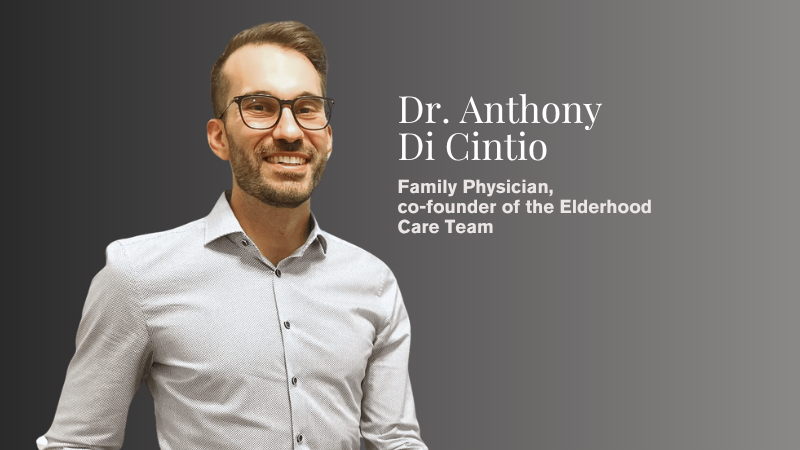
Elderly Care with Empathy: Dr. Anthony Di Cintio on Bringing Back Medical House Calls
An eighty-eight-year-old man stands in his living room. Tired, near the end of his life. He asks his wife for one....
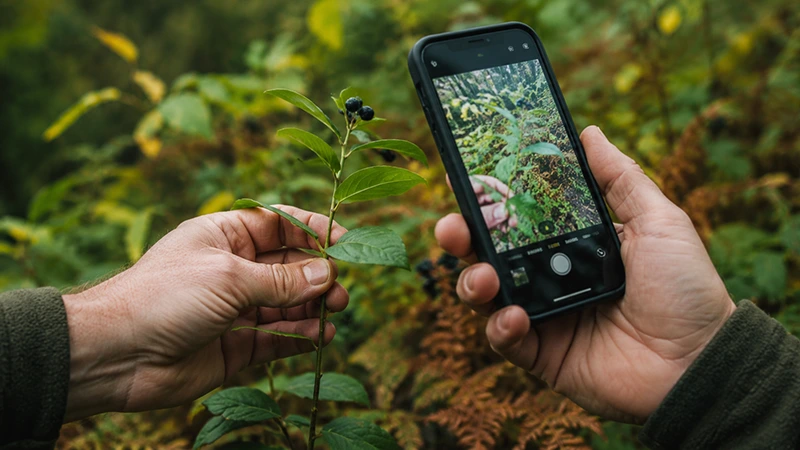
Nature’s Unlabelled Aisle: What Late-Summer Foraging Asks of You Before You Eat Anything
Late-summer foraging explained: why there is no shortcut test, what apps get wrong, how the knowledge is really learned...
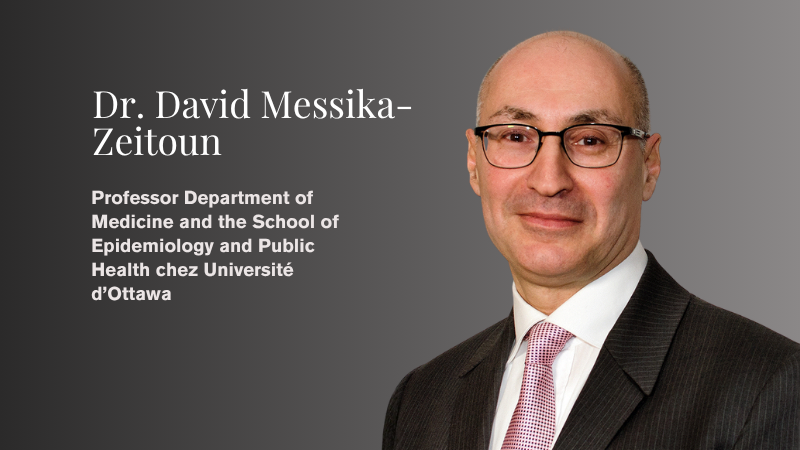
Saving Lives Before Symptoms Strike: How Dr. David Messika‑Zeitoun Is Transforming Heart Valve Care in Canada
Dr. David Messika-Zeitoun is a global leader in valvular heart disease, combining scientific precision with deeply...
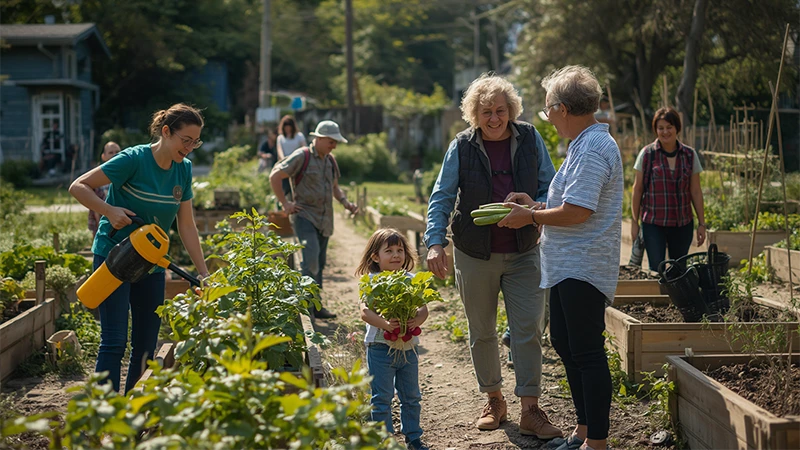
Community Gardens: Cultivating Food and Neighbourhood Bonds
On a sunny Saturday morning in many Canadian neighbourhoods, a community garden is one of the liveliest places...

Indigenous Canoe Journeys: Healing Through Water and Tradition
Think of a river upon which no cedar canoe had set foot for more than a hundred years. Not due to any changes in the...
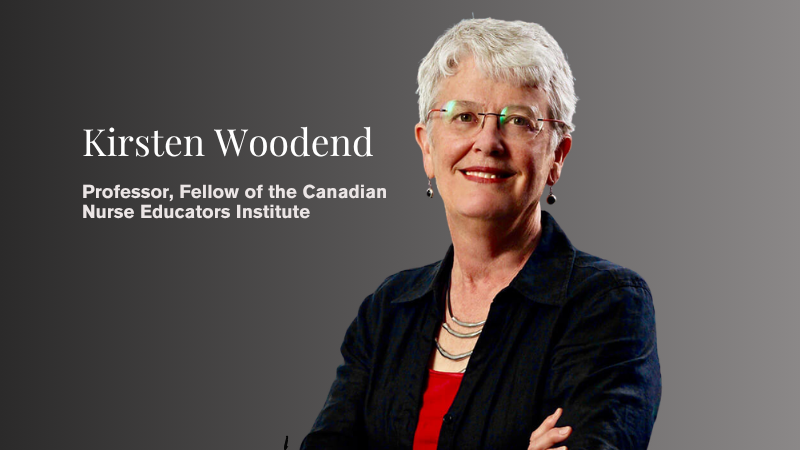
Living Fully, Caring Deeply: Kirsten Woodend on Nursing, Loss, Resilience, and the Power of Human Connection
Some people spend a lifetime mastering a craft. Others spend a lifetime mastering what it means to be human...