
A Cervical Cancer Free Future: HPV Prevention Week Highlights
Human papillomavirus (HPV) is the most common sexually transmitted infection. Persistent infection with high risk types can cause cervical cancer and several other cancers. HPV Prevention Week (October 1–7) raises awareness about vaccination and screening. Canada has set an ambitious goal of eliminating cervical cancer by 2040, and individuals have a role to play in reaching that milestone.
Why HPV matters
HPV types 16 and 18 are responsible for nearly 70 % of cervical cancers. The virus also causes the majority of anal cancers and a substantial proportion of cancers of the throat, penis, vulva and vagina. In 2023, an estimated 1,550 new cases of cervical cancer and 400 deaths occurred in Canada. Infection is extremely common—most sexually active people will contract HPV at some point—but the consequences can be severe when the virus persists.
Prevention through vaccination and screening
The good news is that HPV is preventable. The 9 valent vaccine protects against seven high risk types that cause about 90 % of cervical cancers and two low risk types that cause 90 % of anogenital warts. Canada recommends vaccination for people aged 9–45; it is widely available through school programs and public health clinics. Coverage rates are encouraging—around 86 % of 14 year old girls and 81 % of boys have received at least one dose—but more work is needed to reach all young people and adults.
Vaccination does not replace screening. Cervical cancer screening detects precancerous changes so they can be treated before cancer develops. Even vaccinated individuals need regular screening. Talk to your health care provider about the appropriate intervals for Pap tests or HPV testing, which vary by age and jurisdiction. Condom use reduces but does not eliminate risk; HPV can infect areas not covered by a condom. Limiting the number of sexual partners and avoiding smoking may also reduce risk, as smoking impairs immune response.
Community action
During HPV Prevention Week, consider checking your own vaccine status and encouraging friends and family to do the same. Parents can ensure their children complete the full vaccine series before high school graduation. Adults who missed the vaccine as adolescents can still benefit—speak with your doctor or pharmacist. Support local public health efforts by sharing credible information from the Public Health Agency of Canada and cancer foundations. Finally, participate in cervical cancer screening programs; early detection saves lives.
Eliminating cervical cancer is within reach. The tools—vaccination, screening, safe sexual practices and community engagement—are available. By taking advantage of these measures during HPV Prevention Week and beyond, Canadians can protect themselves and future generations from HPV related cancers and help realise a cervical cancer free future.
Resources
- Share

Magazica Editorial Team
Magazica is a dedicated platform for businesses, subject matter experts, health advocates, and various sectors within the health industry. At Magazica, we are committed to sharing the latest health information and developments with our audience. We serve as a gateway for health-related businesses to showcase their progress and advancements, demonstrating how they contribute to enhancing people's wellness.

Your Winter Immunity Game Plan
As days shorten and Canadians retreat indoors, cold and flu season starts its annual comeback: the office cough, the school...
Eye Health Screenings: Getting Kids Ready for the Classroom
As Canadian families prepare for the return to school, one essential health check often gets overlooked: the...

Pet Health in the Dog Days of Summer: Preventing Paw Burns and Heatstroke
As summer temperatures rise across Canada, from the humid streets of Toronto to the sunbaked trails of Alberta...
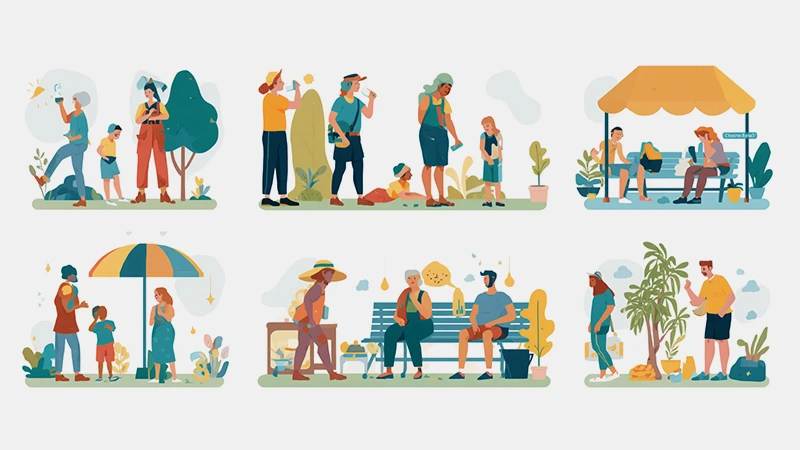
Heatwave Safety: Recognizing and Preventing Heat Exhaustion
When the temperature soars, your body works hard to keep you cool. Most days, a glass of water, a shady spot...
Gardening for the Soul: The Therapeutic Benefits of Soil Microbes
The connection I feel when I first plunge my hands into the soil — It’s meditative. That warm earth between my fingers...

Asthma Awareness: Navigating the Shift into High Pollen Season
If you have ever walked outside on a lovely spring day in Canada, changed out of your parka into a light jacket...