

Digital Health and Technology in Everyday Wellness: From Telehealth to AI Companions
The pandemic propelled digital health from a novelty to a necessity, and its momentum shows no signs of slowing. By 2025, telehealth, wearables and AI‑enabled devices are reshaping how people access care and manage their well‑being. This transformation brings both immense promise and new challenges around equity, privacy and the human side of health.
Telehealth Comes of Age
Telehealth has rapidly evolved from an emergency measure to a mainstream service. In the United States, the proportion of hospitals offering telehealth jumped from roughly three‑quarters in 2018 to nearly 87 percent by 2022. During the pandemic, federal waivers expanded coverage, allowing patients to access care from home. Telehealth visits now account for around 12 percent of Medicare outpatient visits, and studies show that the vast majority of those virtual encounters do not require additional in‑person follow‑ups. Both clinicians and patients report high satisfaction, and there is no evidence that telehealth adds unnecessary costs. Policymakers and advocates are pushing for permanent adoption of telehealth flexibilities, especially for rural communities where broadband access remains limited.
Wearables, AI and Remote Monitoring
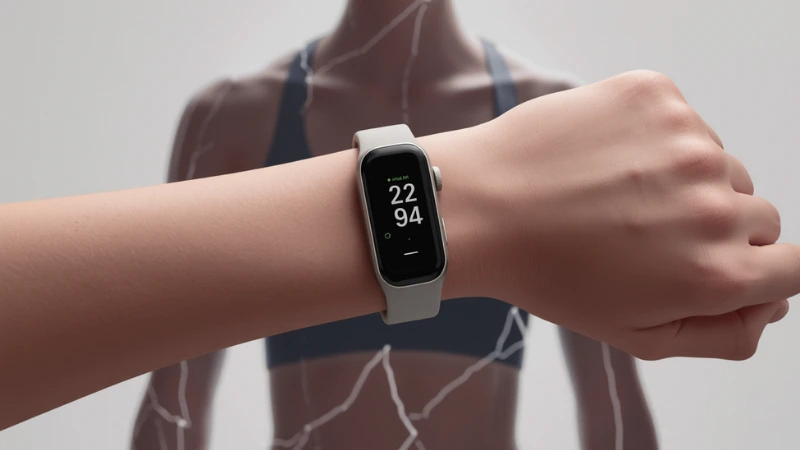
Consumer‑facing devices have become powerful health monitors. About half of Americans own a wearable device, and many track metrics such as heart rate, sleep, stress and physical activity. Adoption is highest among millennials and Gen Z, but older adults are increasingly using wearables and would share data with healthcare providers. The latest devices incorporate medical‑grade sensors and can detect digital biomarkers—subtle indicators of disease that may precede symptoms. Remote patient monitoring programmes use these devices to manage chronic conditions like diabetes and hypertension, alerting clinicians to early signs of deterioration and enabling timely interventions.
Artificial intelligence is augmenting these tools. Generative AI models now draft clinical notes from virtual visits, freeing physicians to focus on patient interaction. AI‑powered chatbots offer mental health support and triage, providing self‑care tips and connecting users to therapists when needed. New digital therapeutics—software‑based treatments for conditions such as insomnia, ADHD or substance use disorders—are gaining regulatory approval, blurring the line between medicine and technology. As telehealth expands, food‑as‑medicine initiatives are also integrating with digital platforms, allowing patients to receive nutrition counselling and healthy meal deliveries through virtual care.
Navigating Uncertainty and Equity
Despite rapid progress, digital health faces barriers. Many telehealth policies remain temporary, creating uncertainty for providers and patients. Rural residents still struggle with limited broadband, and audio‑only visits remain essential for older adults without smartphones. Privacy and data security are ongoing concerns as wearables collect enormous amounts of personal health information. There is also a risk of widening health disparities if AI models are trained on biased datasets or if digital literacy remains low in certain communities. Advocates argue for robust regulation, investment in infrastructure and digital literacy programmes to ensure that technological advances benefit everyone.
What This Means for Everyday People
For patients, digital health offers unprecedented convenience. Routine check‑ups, therapy sessions and chronic disease management can now happen from home. Wearables provide insights that empower people to make healthier choices, like recognising the impact of late‑night screen time on sleep or seeing how stress influences heart rate. Yet these tools should complement—not replace—relationships with healthcare providers. When considering a new app or device, users should look for evidence‑based claims, clear privacy policies and integration with professional care.
Looking ahead, digital health will likely become even more personalised. Advances in AI and genomics could enable tailored interventions that adjust to an individual’s biology and behaviour. Policy decisions over the next few years—such as whether telehealth regulations become permanent and how data privacy is governed—will shape access and equity. As technology and medicine converge, maintaining a human‑centred approach will be crucial to ensure that digital innovation enhances well‑being rather than diminishing it.
Sources & Further Reading
- Share

Magazica Editorial Team
Magazica is a dedicated platform for businesses, subject matter experts, health advocates, and various sectors within the health industry. At Magazica, we are committed to sharing the latest health information and developments with our audience. We serve as a gateway for health-related businesses to showcase their progress and advancements, demonstrating how they contribute to enhancing people's wellness.

Blue Light Glasses: Fact or Fiction for Better Sleep?
As Canadians spend more time than ever staring at screens—with 72% clocking over 8 hours daily on digital devices...
Wearable Tech: Are Fitness Trackers Helping or Hurting Your Body Image?
“By the time you finish reading this sentence, your fitness tracker has likely logged another dozen steps.” In my own experience...

Ergonomics for the Hybrid Worker: Avoiding the Couch-Slouch
You're on a video call from your kitchen table, laptop propped on a stack of cookbooks, neck craned forward...

Digital Detox Weekends: Reclaiming Your Attention Span
So, if perusing your weekly screen time report is like binge-watching, well, you are certainly in good company...

Predictive Analytics in Public Health: Preventing Illness Before It Begins
A public health department identifies rising indicators of respiratory distress across a specific neighborhood...

The Predictive Mind: When Generative AI Learns to Anticipate Human Thought
Why Generative AI’s Next Evolution Is Anticipation, Not Automation. Medicine has always been...