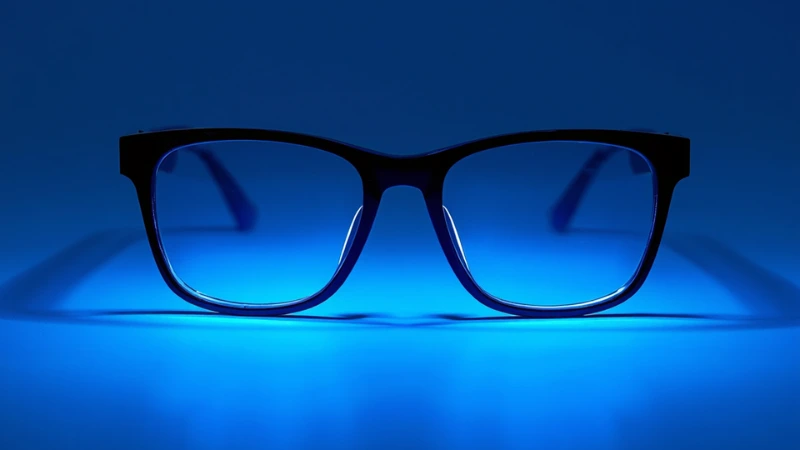
Blue Light Glasses: Fact or Fiction for Better Sleep?
As Canadians spend more time than ever staring at screens—with 72% clocking over 8 hours daily on digital devices—blue light glasses have become a booming $27 million industry in Canada. But do these trendy lenses deliver on their promise of better sleep, or are they just another wellness fad? The answer, according to Canadian optometrists and emerging research, is more nuanced than a simple yes or no.
What Is Blue Light and Why Does It Matter?
Blue light is part of the visible light spectrum with wavelengths between 380 and 500 nanometers. While we get a significant amount of naturally occurring blue light from the sun—which helps regulate our circadian rhythm and boosts alertness during the day, the concern lies in artificial sources. LED screens on computers, smartphones, tablets, and televisions emit concentrated blue light that can disrupt our natural sleep-wake cycle.
Dr. Mahnia Madan, a Vancouver-based optometrist, explains: “At night, when the sun sets, the blue light in the environment goes down and tells our bodies that it’s time to rest. And in the morning when we wake up with blue light in the environment, it triggers our body to be alert”. The problem arises when evening screen exposure mimics daylight, suppressing melatonin production—the hormone that signals our bodies it’s time to sleep.
The Sleep Connection: What Canadian Research Shows.
The scientific evidence linking blue light glasses to improved sleep is promising but not definitive. A study conducted by researchers at Université de Montréal found preliminary evidence that blue-light filtering glasses can significantly improve sleep disturbances. The study highlighted the impact of blue light on sleep and emphasized the importance of preventive measures.
One of the most compelling Canadian studies examined permanent night-shift workers at a Canada Post distribution centre in Quebec City. Researchers found that workers who wore blue-blocking glasses before and during their commute home slept, on average, 32 to 34 minutes longer per day and showed improved sleep efficiency. Morning sunlight exposure was maintaining their circadian clocks on a daytime rhythm, and blocking blue light helped correct this disruption.
However, Dr. Melissa Yuen, a Toronto optometrist, offers a note of caution: “There still isn’t any great deal of scientific evidence that [blue light glasses] protect us from computer vision syndrome or any harmful kind of light from the computer”.
Do They Work for Everyone?
While blue light glasses may benefit certain groups, particularly those with significant evening screen exposure or shift workers, their effectiveness for the general population remains uncertain. The 2023 Health Canada stance on blue light glasses suggests they can help with symptoms but should not be viewed as a cure-all.
The Canadian sleep clinic Sleep Therapeutics notes that overexposure to blue light before bedtime can not only lead to trouble falling asleep but may decrease overall sleep quality by suppressing melatonin production. Yet experts like Madan recommend simpler solutions: “A blue light filter in itself isn’t going to make a big difference. It’s more important that patients wear the correct prescription so that they’re able to see clearly on the computer”.
Beyond the Glasses: Better Sleep Practices.
Canadian optometrists universally recommend the 20-20-20 rule: every 20 minutes of screen time, look at something 20 feet away for 20 seconds. This exercise relaxes eye muscles and reduces digital eye strain, which remains a primary concern regardless of blue light filtering. Health Canada also suggests taking regular breaks from screens, blinking often to hydrate the eyes, and optimizing computer ergonomics.
Sleep on It.
So, are blue light glasses a bedtime hero or just a stylish screen-time sidekick? Maybe a bit of both. They may help some people—especially shift workers or anyone scrolling deep into the evening—but they work best alongside the classic sleep-friendly habits: dim the screens, take breaks, and give your eyes a rest before bed. In other words, the glasses might help, but your best sleep strategy still starts with powering down before you nod off.
Four Canadian Sources with Links.
Source 1: Chatelaine Magazine
Link: https://chatelaine.com/health/blue-light-glasses-faq/
Relevance: Features expert commentary from Vancouver optometrist Dr. Mahnia Madan and Toronto optometrist Dr. Melissa Yuen on the effectiveness of blue light glasses for sleep and eye strain.
Source 2: Yahoo Lifestyle Canada
Link: https://ca.style.yahoo.com/do-blue-light-glasses-work-i-asked-an-optometrist-about-the-benefits-and-how-they-can-affect-sleep-quality-170011914.html
Relevance: Includes interview with Dr. Abraham Yuen, director and lead optometrist of Downtown Vision in Toronto, and references Sleep Therapeutics on the sleep impacts of blue light.
Source 3: Université de Montréal / EM consulte
Link: https://www.em-consulte.com/article/1806886/amelioration-des-symptomes-des-troubles-du-sommeil
Relevance: Peer-reviewed study involving Université de Montréal researchers showing significant improvement in sleep disturbances with blue light filtering glasses.
Source 4: Ideal Optical Eyecare (Canadian optometry practice)
Link: https://idealoptical.ca/blue-light-glasses-effectiveness/
Relevance: References Health Canada’s 2023 stance on blue light glasses and a 2023 University of Waterloo study on eye fatigue, providing a comprehensive Canadian perspective on effectiveness.
- Share

Magazica Editorial Team
Magazica is a dedicated platform for businesses, subject matter experts, health advocates, and various sectors within the health industry. At Magazica, we are committed to sharing the latest health information and developments with our audience. We serve as a gateway for health-related businesses to showcase their progress and advancements, demonstrating how they contribute to enhancing people's wellness.
The Study Station Nobody Sells You
It's 1 a.m. You're in bed, laptop balanced on a duvet, chin tucked toward your chest like you're reading the fine print...
Wearable Tech: Are Fitness Trackers Helping or Hurting Your Body Image?
“By the time you finish reading this sentence, your fitness tracker has likely logged another dozen steps.” In my own experience...
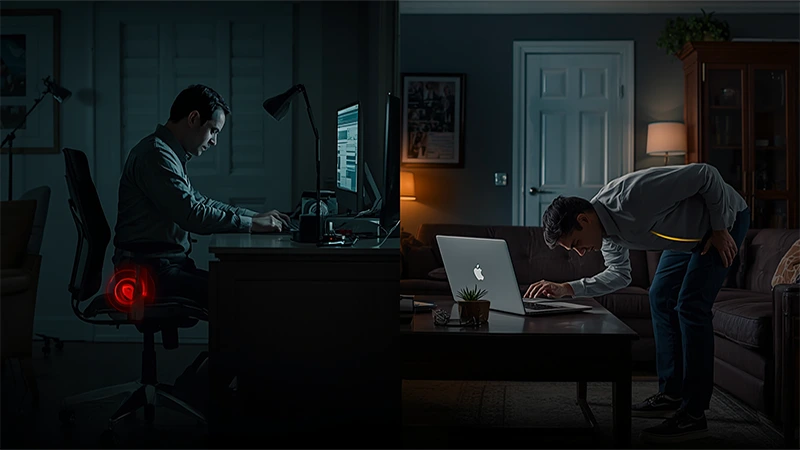
Ergonomics for the Hybrid Worker: Avoiding the Couch-Slouch
You're on a video call from your kitchen table, laptop propped on a stack of cookbooks, neck craned forward...

Digital Detox Weekends: Reclaiming Your Attention Span
So, if perusing your weekly screen time report is like binge-watching, well, you are certainly in good company...

Predictive Analytics in Public Health: Preventing Illness Before It Begins
A public health department identifies rising indicators of respiratory distress across a specific neighborhood...

The Predictive Mind: When Generative AI Learns to Anticipate Human Thought
Why Generative AI’s Next Evolution Is Anticipation, Not Automation. Medicine has always been...