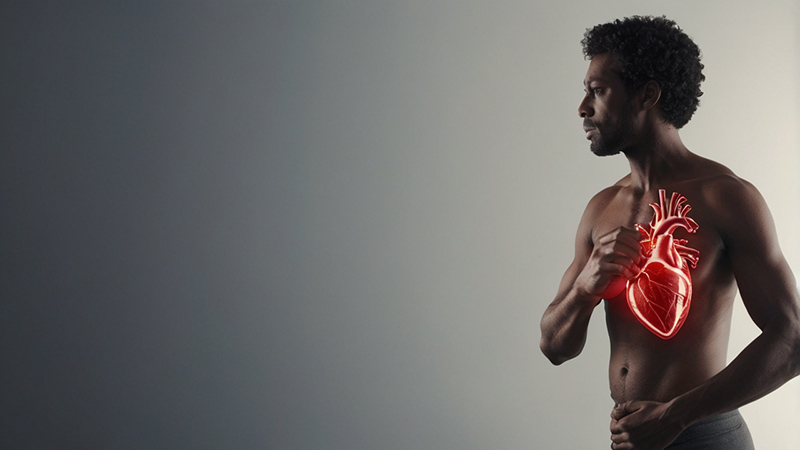
Cardiovascular Health: Thrombosis and Stroke Awareness
World Thrombosis Day on October 13 and World Stroke Day on October 29 call attention to cardiovascular conditions that account for a large share of deaths and disability. The World Thrombosis Day campaign notes that one in four people worldwide die from conditions related to thrombosis. Stroke, meanwhile, is a leading cause of death and disability in Canada; the Heart & Stroke Foundation reports more than 108 000 strokes annually—about one every five minutes—and almost one million survivors. Raising awareness about risk factors, prevention and rapid treatment is critical.
Understanding Thrombosis and Stroke
Thrombosis refers to blood-clot formation inside blood vessels. These clots may obstruct blood flow (leading to ischemia) or break loose and travel (causing embolism). Venous thromboembolism, which includes deep-vein thrombosis and pulmonary embolism, is a major cause of hospital mortality. Arterial thrombosis causes heart attacks and ischemic strokes. Globally, heart attack and stroke are top cardiovascular killers, and thrombosis is the common mechanism. Risk factors include prolonged immobility, surgery, cancer, pregnancy, hormonal therapy, obesity, smoking and inherited clotting disorders.
A stroke occurs when blood flow to the brain is interrupted (ischemic) or when a vessel ruptures (hemorrhagic). Ischemic strokes account for about 87 % of cases. Stroke rates in Canada are rising due to population ageing and increased strokes among younger adults. Stroke can occur at any age: one baby has a stroke every day in Canada, and more than 10 000 children live with stroke. Pregnancy increases risk—about 30 per 100 000 women experience a stroke during pregnancy or postpartum. Traditional risk factors such as hypertension, hyperlipidaemia, diabetes and obesity remain dominant, but emerging risks include air pollution and chronic stress.
Impact and Burden in Canada
Stroke is the fourth leading cause of death in Canada. With improved acute care, more people survive strokes, but 60 % of survivors have some disability. More than 40 % live with moderate to severe disability. Approximately nine in ten Canadians have at least one risk factor for heart disease or stroke, yet 80 % of premature strokes and heart disease cases could be prevented through healthy behaviours. Although comprehensive national data on thrombosis are limited, the global statistic that one in four deaths is linked to thrombosis underscores its significance.
Prevention and Awareness
For thrombosis, awareness of risk factors and symptoms is vital. Preventive measures include maintaining mobility during long trips, using prophylactic anticoagulants during and after hospitalisation, and encouraging smoking cessation. For stroke, the FAST acronym (Face drooping, Arm weakness, Speech difficulty, Time to call 911) helps bystanders recognise signs and act quickly. Rapid thrombolytic therapy or mechanical thrombectomy greatly improves outcomes. Community blood-pressure screening, smoking-cessation programmes and dietary interventions are cost-effective prevention strategies. Rural and Indigenous communities often face shortages of specialists and diagnostic equipment; tele-stroke programmes can connect remote hospitals with stroke specialists to facilitate timely interventions.
Research and Future Directions
Research focuses on refining anticoagulant therapies, developing safer clot-dissolving drugs and employing artificial intelligence to predict stroke risk. Wearable devices that detect atrial fibrillation can identify patients who may benefit from preventive anticoagulation. Genetic studies aim to uncover why some individuals are more prone to thrombosis. However, an environmental scan of Canadian AI initiatives notes that most projects are concentrated in hospitals and remain at pilot stages, leaving community settings underrepresented.
Thrombosis and stroke are formidable threats, but awareness and preventive action can drastically reduce their toll. By supporting public campaigns, ensuring equitable access to preventive care and integrating technological innovations with clinician expertise, Canada can translate October’s observances into meaningful cardiovascular-health gains.
References
Heart & Stroke Foundation. (2025). Stroke Month 2025 backgrounder heartandstroke.ca.
International Society on Thrombosis and Haemostasis. (2024). World Thrombosis Day: Our story worldthrombosisday.org.
Statistics Canada. (2025). AI in action: Transforming clinical care across Canada digitalhealthcanada.com.
- Share

Magazica Editorial Team
Magazica is a dedicated platform for businesses, subject matter experts, health advocates, and various sectors within the health industry. At Magazica, we are committed to sharing the latest health information and developments with our audience. We serve as a gateway for health-related businesses to showcase their progress and advancements, demonstrating how they contribute to enhancing people's wellness.

Splash Safely: Why Your Skin and Ears Might Throw a Summer Tantrum
Think about the ideal day out by the lake. The cooler is packed, you've found the perfect spot to lie on the beach, and now...

Men’s Health Checklist: Screenings You Shouldn’t Ignore This Year
For decades, Canadian men have embraced a "if it isn't broken, don't fix it" approach to health. “As a man, I can...
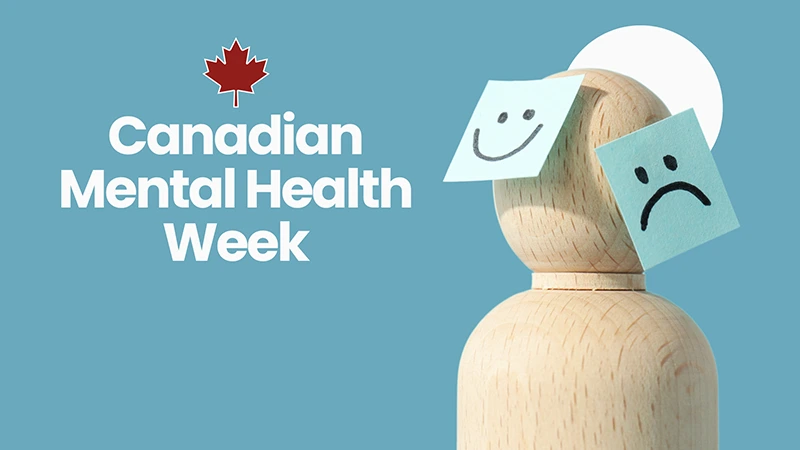
Come Together: Canadian Mental Health Week, May 4–10
Every May, something important happens across Canada. In schools, workplaces, community centres, and...

Eyes in the Digital Age: How the 20-20-20 Rule Can Ease Strain and Headaches
Staring at screens is a defining feature of modern life. Whether working from home or scrolling through social media...

Land as Medicine: How Reconnecting with Traditional Territories Heals Indigenous Youth
For countless generations, Indigenous Peoples have understood what Western science is only beginning to confirm...

The Canine Cleanup Crew: How Dogs’ Outdoor Adventures May Shape Our Microbiome and Immune System
When your dog charges back into the house after chasing squirrels or splashing through puddles, it picks up soil- and...