
Lung Cancer and Radon Awareness for a Healthier Home
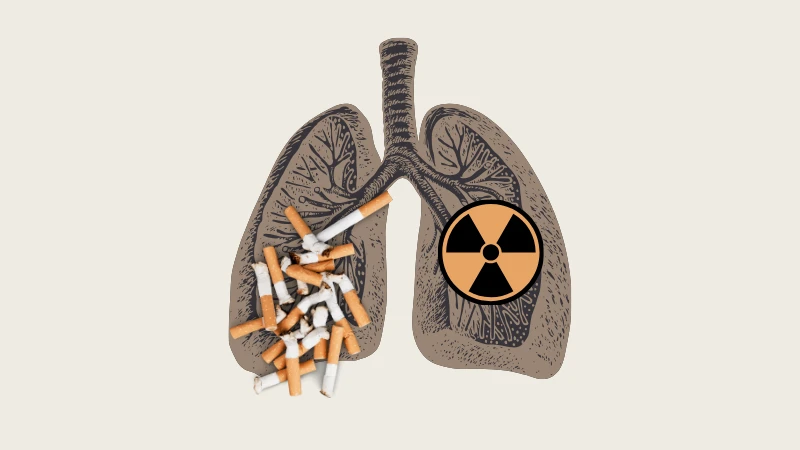
November marks both Lung Cancer Awareness Month and Radon Action Month, drawing attention to the leading cause of cancer death and the invisible gas that contributes to it. Lung cancer affects over 32 000 Canadians each year, and it doesn’t discriminate—it impacts smokers, non smokers, men and women of all ages. Meanwhile, radon is a naturally occurring radioactive gas that can accumulate indoors and is the second leading cause of lung cancer after smoking. This month’s campaigns urge Canadians to improve indoor air quality, recognize symptoms early, and support those living with lung disease.
Lung cancer can be challenging to detect because symptoms often appear only at advanced stages. Common signs include persistent cough, shortness of breath, chest pain, weight loss and fatigue. Lung Cancer Canada emphasizes that lung cancer remains underfunded and stigmatized compared with other cancers, despite its high prevalence. Stigma arises partly from the association with smoking, yet many patients have never smoked. This stigma can delay diagnosis, limit support and hinder research funding.
Smoking remains the primary risk factor, but others include exposure to second hand smoke, asbestos, diesel exhaust, radon gas, and family history. Radon originates from uranium in soil and rock; it seeps into buildings through cracks and foundation gaps. Health Canada notes that the first step to protection is testing your home, because radon levels vary by location and can change due to renovations or seasonal fluctuations.
A radon test kit, available at hardware stores or through community programs, measures radon levels over several months. If levels exceed 200 Bq/m³ (the Canadian guideline), homeowners should hire certified radon mitigation professionals to install ventilation systems. Retesting every few years ensures continued safety.
Lung health doesn’t exist in isolation. The Canadian Medical Association warns that climate change is making extreme heat, wildfires, flooding and poor air quality a new reality; Canada is warming twice as fast as the global rate. These climate shocks increase the risk of asthma, chronic obstructive pulmonary disease (COPD), anxiety and depression. Wildfire smoke and ground-level ozone exacerbate respiratory diseases, while extreme heat stresses heart and lung function. Protecting lung health therefore involves advocating for climate action and building resilient, low carbon health systems.
Screening and early detection improve outcomes. People aged 55–74 with a significant smoking history may be eligible for low dose CT (computed tomography) screening, which can detect lung cancer before symptoms arise. Quitting smoking reduces risk even after decades of use, and avoiding second hand smoke is important. For those diagnosed, treatment options include surgery, radiation, chemotherapy, immunotherapy and targeted therapies. Support services—peer groups, counselling and palliative care—help patients navigate the physical and emotional challenges.
Radon awareness intersects with home maintenance and energy efficiency. Modern energy efficient homes are often tightly sealed, which can trap radon. After mitigation, continued ventilation (such as heat recovery ventilators) maintains safe indoor air. Landlords and public housing authorities can protect tenants by testing units and addressing high radon levels. Schools and workplaces should also monitor indoor air quality.
Breathing clean air is fundamental to health. This November, take steps to protect yourself and your family: test your home for radon, support friends who are quitting smoking, and encourage loved ones to talk to their healthcare providers about lung cancer screening. Advocate for policies that reduce air pollution and address climate change. By understanding the risks and acting early, we can reduce lung cancer’s burden and ensure healthier homes for everyone.
References
- Share

Magazica Editorial Team
Magazica is a dedicated platform for businesses, subject matter experts, health advocates, and various sectors within the health industry. At Magazica, we are committed to sharing the latest health information and developments with our audience. We serve as a gateway for health-related businesses to showcase their progress and advancements, demonstrating how they contribute to enhancing people's wellness.

Splash Safely: Why Your Skin and Ears Might Throw a Summer Tantrum
Think about the ideal day out by the lake. The cooler is packed, you've found the perfect spot to lie on the beach, and now...

Men’s Health Checklist: Screenings You Shouldn’t Ignore This Year
For decades, Canadian men have embraced a "if it isn't broken, don't fix it" approach to health. “As a man, I can...
Come Together: Canadian Mental Health Week, May 4–10
Every May, something important happens across Canada. In schools, workplaces, community centres, and...

Eyes in the Digital Age: How the 20-20-20 Rule Can Ease Strain and Headaches
Staring at screens is a defining feature of modern life. Whether working from home or scrolling through social media...

Land as Medicine: How Reconnecting with Traditional Territories Heals Indigenous Youth
For countless generations, Indigenous Peoples have understood what Western science is only beginning to confirm...

The Canine Cleanup Crew: How Dogs’ Outdoor Adventures May Shape Our Microbiome and Immune System
When your dog charges back into the house after chasing squirrels or splashing through puddles, it picks up soil- and...