Katie Koebel on Hearing Health: Audiology Insights That Transform Lives
Some professional paths are about prestige. Then there are paths about impact. For Katie Koebel, there’s been a balance between both. A committed audiologist and high-level audiology manager, Koebel has been helping individuals regain something that’s often underappreciated in life by all of us – the gift of sound. It’s an early warning system for danger, a pathway back to loved ones after a deployment, and something that connects us all in so many ways. Listen as Koebel shares how her career path was led by certain defining experiences in her life, how her passion is driven by certain stories, and how she has learned valuable skills and approaches that can be applied by all of us regarding something so precious – our hearing..
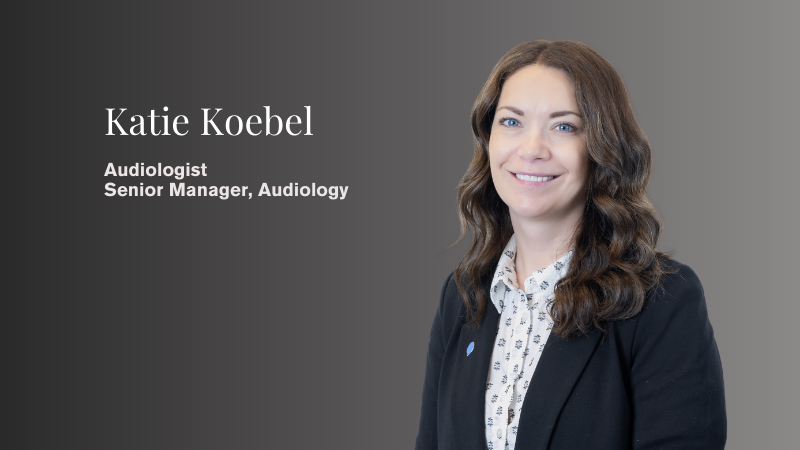
Magazica: Some people, dear readers and viewers, spend their careers chasing titles; others spend them changing lives. Katie Koebel has done both – quietly, consistently, and with a passion that has reshaped how countless people experience the world around them. She is an audiologist and the senior manager of audiology at HearingLife Canada in Toronto.
She has spent years helping individuals reconnect with one of life’s most precious gifts: the ability to hear and fully engage with the moments that matter in their lives.
Her journey is one of science meeting empathy, where advanced hearing technology meets the deeply human need for connection. Today, we will explore the moments that shaped her path. We’ll look at the lessons she has learned from the people she has served, and the practical wisdom anyone can use to protect and nurture their own hearing health.
Katie, welcome. It’s a pleasure to have you here.
Katie Koebel: Thanks, it’s great to be here.
Magazica: Thank you. Let’s begin with your personal journey. What’s the first incident or experience that drew you to audiology? Was there a defining moment that made you think, “This is the work I’m meant to do”?
Katie Koebel: I don’t think it was a single defining moment, but rather a series of moments that led me on this path. I knew very early on that I wanted to do something in healthcare. It was important for me to help individuals.
Part of my journey when I was younger was being in speech therapy. I had some difficulty pronouncing certain words, and I realized early on that communication is so important. When there is a breakdown in communication, it can deeply impact our lives.
Magazica: So, when you went to university, how did you explore that interest?
Katie Koebel: I started my undergraduate degree in health science and thought, “Let me see what avenues within health science, outside of a hospital setting, I can pursue.” I began volunteering in different settings and explored optometry, speech-language pathology, and audiology.
The moment I stepped into the audiology clinic – on that very first day – I saw how audiologists helped clients improve their hearing. It was inspiring, and I could see how rewarding the career was. I never looked back.
Magazica: Sometimes you find yourself in a space and suddenly realize, “This is what I want to do.” That’s a powerful moment. Can you share a patient’s story – without revealing personal details – that has stayed with you and shaped how you approach your work?
Katie Koebel: One of the very first patients I had on my own comes to mind. During your master’s degree, you have several placements, so I had observed many great audiologists. But this was one of my first independent cases.
A client and his wife came in. He was upset, frustrated, and irritable. He had a severe hearing loss and felt that even with his hearing aids, he was missing out on conversations and situations. He was beginning to isolate himself.
I thought about out-of-the-box ways to help him. I listened to the situations that mattered most to him and suggested an FM system. That meant his wife could wear a microphone, and the sound would transmit directly to his hearing aids.
I wasn’t sure if he would like it. He was frustrated and skeptical. But when he returned for his follow-up appointment, his demeanor had completely changed. He was positive, smiling, and eager to share all the situations where he could now hear his wife clearly – moments that had previously been frustrating.
Seeing firsthand the impact that technology can have on improving someone’s life solidified for me that I was in the right place. That’s what I love about audiology: it combines the human side of healthcare with technology. It’s always improving, always getting better, and it’s rewarding to see the progress over the years.
Magazica: A quick question, where did you do your master’s? At Western University? And the whole thing happened there.
Katie Koebel: I did both my undergraduate degree in Health Science and my Master’s degree in Communication Sciences and Disorders at Western University.
However, this was actually one of my first patients after I had graduated. It was at a clinic – actually, where I still work – Hearing Life Canada. It used to be called Listen Up Canada. It was my first patient on my own, once I had finished all of my placements and schooling.
Magazica: You must still remember the reaction on the person’s face when he first started hearing everything clearly.
Katie Koebel: Exactly. It was almost like a different person. His whole demeanour changed from the first time I met him to when he came back for his follow-up with the technology. It really solidified how much of an impact we can have on individuals’ quality of life.
Magazica: For common readers, and for me as well, many of us don’t know exactly what an audiologist does on a day-to-day basis. How do you explain your role? For example, to a friend over coffee who has no idea what an audiologist usually does, how would you explain it?
Katie Koebel: It depends on the setting. Audiologists can work in various environments. I’ll talk more about private practice and clinical practice, where I’ve spent my career. Day-to-day, every day is a little different, but most of what we do is providing hearing assessments, fitting hearing aids, helping people with their hearing aids if they’re having issues, and providing follow-up care – annual hearing assessments, readjustments – making sure they’re getting the most out of their hearing aids.
Beyond those actions, we spend a lot of time counselling. We help clients understand how hearing loss impacts their lives, and we support them in accepting their hearing loss and treatment.
Magazica: From your experience counselling many people, what are one or two common misconceptions about hearing loss or hearing care that you wish more people understood?
Katie Koebel: I think the biggest misconception about hearing loss is that it’s just a normal part of aging, or only an older person’s problem. In reality, hearing loss can happen at any age.
It often happens gradually, so most people don’t notice it. They aren’t aware it’s impacting their lives. According to Statistics Canada, almost two in five Canadians have hearing loss as adults. Many don’t realize it until years later because it’s such a slow process.
Magazica: I had no idea. That’s serious – two out of five?
Katie Koebel: Almost two out of five, around 38%. Of individuals over the age of 18, many have some form of hearing loss.
Magazica: These are things we should know more about. How does untreated hearing loss affect more than just the ears – like relationships, mental health, or self-confidence? What’s the ripple effect?
Katie Koebel: When people think “I can’t hear,” they assume it only affects communication. But it affects much more. When conversations are impacted, relationships suffer. It can have a negative impact. Barriers to communication create frustration, which affects social confidence and mental health. People may start to socially isolate because it takes too much energy to participate in conversations.
They begin missing out on things that bring meaning and joy – family conversations, dinners, restaurants, playing cards with friends, sports – simply because it takes too much mental effort to follow. It can have a big impact on the overall quality of life.
Magazica: I can relate to a personal experience. One of my uncles, after retiring in the UK, suddenly began speaking in a very high-pitched voice. After doing this for a year, one of our cousins in family medicine suggested he check his ears. He wasn’t ready to go to the doctor. He was in denial, saying his hearing was fine. It took another year before we convinced him to go. He ended up with a hearing aid, and everything was fine. He returned to his original soft tone. In your experience, just like my uncle, what stops people from seeking help for hearing issues? And how can we change that?
Katie Koebel: That’s actually a very common experience. As I said earlier, hearing loss tends to happen very gradually. The person experiencing it often doesn’t notice – it sounds the same to them as it did the day before. It’s usually loved ones, family members, or friends who notice the signs earlier. You may see them speaking louder.
As you said, they may change their tone because they’re hearing themselves differently. They may have the TV or radio louder than you’d like.
They may ask you to repeat things, or struggle if someone isn’t face-to-face. Often, it’s the people around them who encourage them to get their hearing tested. If it takes two to three years, that’s actually sooner than most. On average, it takes about seven years from when someone first notices difficulty with hearing to when they actually come in and get tested.
At Hearing Life Canada, and as audiologists, we encourage people to take care of their hearing the same way they do with eye exams and dental visits. Make it a priority to get checked.
That way, people can feel comfortable taking the first step. Knowledge is key. If you don’t know your hearing levels, you can’t take steps toward improvement. Coming in for a baseline hearing assessment is the first step to making an informed decision about what’s best for your situation.
Magazica: The technology and service you’re giving people is truly life-altering. Hearing aids are the most common device we know, but there are other assistive devices, too. Both have come a long way. What’s one innovation you’ve seen recently that excites you?
Katie Koebel: Hearing aid technology has come a long way. It’s working hand-in-hand with us as hearing care professionals, giving us more ability to personalize settings to each individual’s needs.
Because everyone experiences hearing differently, I’d say the most exciting technology is the incorporation of AI tools in hearing aids.
Hearing aids are now tiny computers, trained in millions of different sound scenes. They provide support tailored to each environment so patients can get the most out of their hearing. It’s inspiring to see healthcare and technology intersect to improve the quality of life.
Magazica: AI is contributing positively in this field, too. That’s great to know.
Katie Koebel: Yes, it is. Technology helps improve the way we work, but you also need the healthcare professional side to ensure it’s used in a way that’s individualized to each patient. That’s how they get the most benefit.
Magazica: When buying hearing aids for my uncle, I noticed that the devices he bought 15 years ago, compared to now, are much more comfortable.
Katie Koebel: Most hearing aids now are water-resistant as well. We don’t recommend swimming with them, but they can handle much more moisture than before. Engineers and hearing scientists have greatly improved how hearing aids work. The devices we fit now are very different from those when I first started in this field.
Back then, there was a lot of coaching, counselling, and follow-up adjustments to get it right. Today’s hearing aids are much smarter. They make many decisions to balance sound scenes and give the brain the correct input to make meaning out of sounds.
Magazica: These days, everyone is wearing headphones or earbuds. I do that too. With these habits – being on screens with headphones, most of them noise-cancelling – what’s one simple habit our readers, viewers, and even I can start developing today to protect our hearing in the long term?
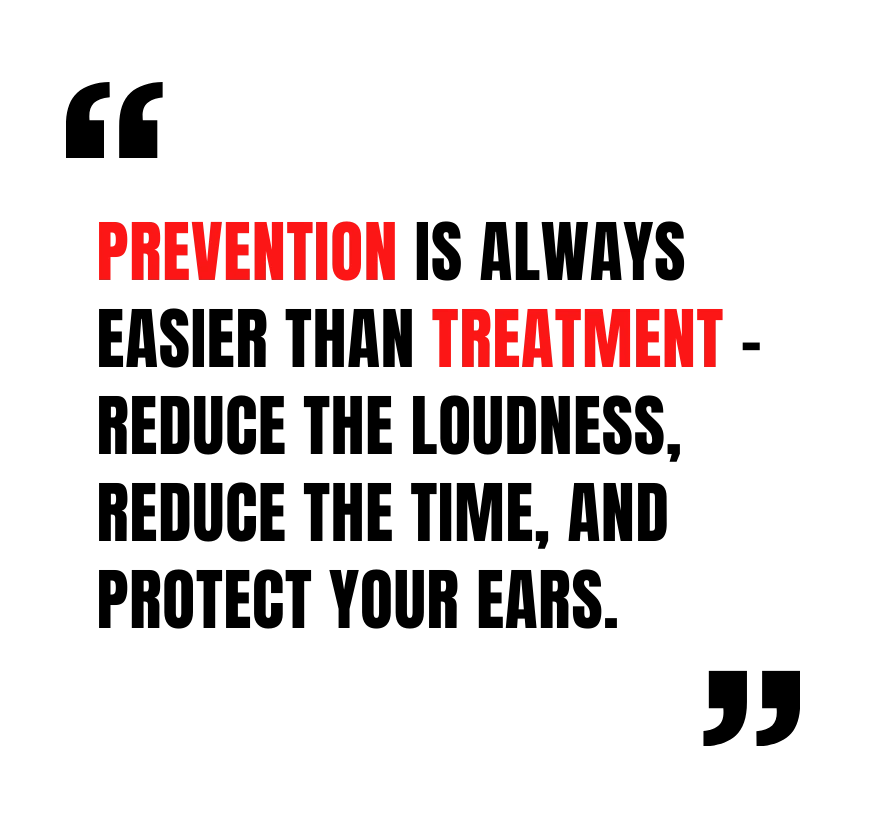
Katie Koebel: Prevention is key. We want to protect our ears as much as possible, and the best way to do that is to avoid loud noise. Whether it’s wearing hearing protection at a concert or while mowing the lawn, anything noisy requires protection. You also want to think about reducing the loudness of everything you’re listening to.
With earbuds or headphones, you shouldn’t go louder than about 60% of maximum volume to stay in the safe zone. Also, give your ears a break. If you’re listening with headphones or earbuds, every hour, take about a 10-minute break to allow quiet time.
Two things about noise affect your hearing: how loud it is and how long you’re exposed. Reduce both the loudness and the time you’re exposed to loud sounds. Prevention is always easier than treatment.
Magazica: That’s good to know. At least in my case, I never go over 60% volume, and recently I’ve started taking breaks every 50 or 60 minutes. I take them off for a few minutes, then put them back on. That’s very good to know.
Katie Koebel: You’re following best practices. Your ears will be happy you’re taking good care of them.

Magazica: Do you recommend that as well? We do it in workplace settings, but you’re the real specialist, so I wanted to cross-check for our readers and viewers.
Katie Koebel: That’s great advice. It’s exactly what I give. Think about it not only in the workplace but also in everyday life. Sometimes that’s harder – if you’re a concertgoer or use power tools, you don’t always think about how it affects your hearing.
You’re enjoying what you’re doing, and you don’t think about the impact on your ears. Hearing loss is gradual. It’s not that you expose yourself to noise and immediately lose hearing. You’re slowly adding damage, which can cause earlier and more severe hearing loss compared to someone who protects their ears and lives a relatively quiet life.
Magazica: Working in healthcare can be emotionally demanding. You meet new and diverse people almost daily. You meet patients, talk to them, diagnose them, and counsel them. You also talk to audiences, like you’re doing now. How do you stay grounded and motivated?
Katie Koebel: I try to always be present in the moment. Life is busy – family, work, many demands. I focus on giving my all in the moment and not letting worries or anticipation cloud what I’m doing.
I also stay aware of what I can control versus what I can’t. I prepare for what I can control – keeping up with hearing science, research, best practices, and hearing aid technology. But I let go of what I can’t control. We can’t control people’s actions, but we can control how we react.
I try to be empathetic to where individuals are in their hearing journey and help them improve. Hearing aids aren’t perfect – we can’t cure hearing loss – but they’ve come a long way. We can improve the quality of life, even if it’s not a perfect solution.
It’s about being in the moment, figuring out what each person needs, and matching technology to those needs, while knowing it won’t be perfect.
Magazica: I really like the concept you put forward: what you can control and what you can’t.
Katie Koebel: Prepare for what you can control, and let go of what you can’t.
Magazica: In my understanding, motivation is all about clarity.
Katie Koebel: For sure. Yes, I love that.
Magazica: From the moment a mother bears a child in her womb, through birth, until they’re seven or eight – when they’re minimally sustainable and self-dependent – you can’t imagine the tension we go through whenever they go out. Mothers are warriors, she said.
Katie Koebel: Oh, yes.
Magazica: I learned to respect working mothers from my mom. I never saw it that way before. Even for my wife, it is the same. I come home, relax, maybe watch television. My wife goes straight to the kitchen or to my son’s room. It’s the second shift for her.
Katie Koebel: Yes, I think of it that way, too. When my workday is done, I start my second job. Which is taking care of the house and family. Of course, I have a supportive husband, but even today, much of the mental load of running a family is still on my shoulders. I love it – I don’t want to give up that control – but it is a lot. You just become very time-efficient. You have small windows of time to get things done, so you make the most of them.
Magazica: Fathers help sometimes, but there are certain things fathers cannot do, and certain things fathers can do – guidance, mature talk, and so on. But fathers and mothers together – it’s teamwork.
Katie Koebel: That’s right. In life, we’re not living in vacuums. We constantly interact with family members, colleagues, and others. That’s what makes life so grand – sharing strengths and working together toward a common goal, doing things within our control and strengths. It’s about figuring out how to get the job done by leveraging the strengths we have.
Magazica: What lessons are you learning from patients? For example, what’s something you’ve learned from your patients that changed how you see life?
Katie Koebel: I always say I learn more from my patients than they do from me. The biggest lesson is how much having a positive attitude affects your overall quality of life. We see clients at all different stages of their hearing journey. Some are very early on and may be in denial, some are angry about having hearing difficulties, and some are motivated to pursue treatment and ask, “How do I improve this?”
Attitude affects success and outcomes. With a positive mindset, you start seeing the positives. I’ve had clients return for follow-ups after being fit with hearing aids – one saying, “It’s so great, I can hear the rain on the roof, the birds singing, the leaves rustling,” and they’re happy about it. Another client complained about those same sounds, saying, “I’m hearing the leaves rustling, I’m hearing the birds singing,” because they only wanted to hear someone talking.
I explain that hearing isn’t selective – you’ll hear things you don’t necessarily want to hear along with the things you do. Over time, your brain learns what to focus on and what to block out. Having a positive attitude toward hearing treatment and toward life really improves quality of life and overall health.
Magazica: And what about the family of patients you encounter? What advice would you give to loved ones? If someone suspects a friend or family member is struggling with hearing loss, what’s the most supportive way to approach it?
Katie Koebel: It’s often those around the individual who notice hearing loss first. If you see them struggling, approach the conversation with empathy. Focus on what they’re missing out on – time with friends, the punchline of jokes, music they love – rather than focusing only on the hearing difficulty.
Encourage them to get a hearing assessment so they have the information they need to make an informed decision. Even better, propose going together to get your hearing tested.
It’s not just their problem. Hearing checks should be part of normal health care, like dental exams or eye exams. Go in for a baseline hearing assessment. At our Hearing Life clinics across Canada, it’s free of charge.
Knowledge is key. Getting that baseline assessment gives you the information to make an informed decision about what route to take.
Magazica: Hearing you, I realize we did all the wrong things with our uncle when we tried to push him to get checked. If we had framed it as a regular checkup – like blood work, x-rays, or family doctor visits – it would have been easier.
Katie Koebel: Exactly. And not only you, but everyone should have their hearing checked. Now you’re better informed if that situation arises again.
Magazica: Thank you so much for sharing that. It’s such a simple but lovely approach, so loved ones don’t feel singled out. They’re part of a family, part of a cohort, doing this together.
Katie Koebel: Last message to the audience – Hearing is something we often take for granted until we start to lose it. The good news is help is available. At Hearing Life Canada, helping Canadians hear better is our top priority. With today’s technology – hearing aids, assistive listening devices – and the personalized approach we offer as hearing care professionals, you don’t have to miss out on the moments that mean the most to you.
Magazica: Fantastic. Katie, thank you for your time. Excellent suggestions and guidance for our readers and viewers. Thank you very much.
Katie Koebel: It was great chatting with you today, and thanks for taking the time to learn more about hearing and hearing health. We appreciate it.
Magazica: Thank you.
- Share

Katie Koebel
Katie Koebel is an experienced audiologist and Senior Manager of Audiology at HearingLife Canada, with almost two decades of experience in the hearing industry. Katie currently practices at the Toronto branch and has served as a leading force in the development of audiology clinics and the direction of patient care practices across the nation. Katie graduated with both her Bachelor of Health Sciences and Master of Clinical Science in Audiology degree with Western University, and in addition to her work at HearingLife Canada, Katie is an instructor in the Hearing Instrument Specialist Program at Conestoga College.

Splash Safely: Why Your Skin and Ears Might Throw a Summer Tantrum
Think about the ideal day out by the lake. The cooler is packed, you've found the perfect spot to lie on the beach, and now...

Men’s Health Checklist: Screenings You Shouldn’t Ignore This Year
For decades, Canadian men have embraced a "if it isn't broken, don't fix it" approach to health. “As a man, I can...
Come Together: Canadian Mental Health Week, May 4–10
Every May, something important happens across Canada. In schools, workplaces, community centres, and...

Eyes in the Digital Age: How the 20-20-20 Rule Can Ease Strain and Headaches
Staring at screens is a defining feature of modern life. Whether working from home or scrolling through social media...

Land as Medicine: How Reconnecting with Traditional Territories Heals Indigenous Youth
For countless generations, Indigenous Peoples have understood what Western science is only beginning to confirm...

The Canine Cleanup Crew: How Dogs’ Outdoor Adventures May Shape Our Microbiome and Immune System
When your dog charges back into the house after chasing squirrels or splashing through puddles, it picks up soil- and...